
News & views.
A collection of stories about data, public opinion and politics and news about our firm.

It’s notable that a majority of Americans now oppose Donald Trump’s tariffs. These weren’t advertised as taxes, but Americans quickly came to learn they function as such, thanks to economists, news outlets such, Democratic messaging and the bond market’s Newtonian reaction to Liberation Day. The takeaway was clear: Americans may not follow trade policy, but they understand a tax.

It’s not often you get to look with fresh eyes on words that shape our politics and humanity. That was our experience in reading the late Pope Francis’s reflections on “crisis” and “conflict.” We use these words interchangeably, but Francis draws a sharp distinction. In his view—a view that knocked us back—crisis is a necessary thing, vital to individuals, institutions and societies. Conflict, on the other hand, fractures reality. It closes us off, forces us to pick sides, to seek blame.

We’ve spent years challenging the media’s obsession with horse race polling—here and here, for example—and calling for political coverage that goes deeper, exploring people’s priorities and values. So it was encouraging to see the findings from a new Nieman Lab report on an academic study of the Democracy SOS initiative, which examined how training in engagement-focused journalism influenced political reporting in swing-state newsrooms.

Narcissism may contribute to social exclusion, but ostracism itself can also fuel the development of narcissistic traits,” explained Christiane Büttner, lead author of a big new study published by the American Psychological Association.

Charred scrolls buried by the eruption of Mt. Vesuvius nearly 2,000 years ago are being read for the first time, thanks to remarkable advances in AI and X-ray imaging—and the diligence of a global team of scientists, historians, and entrepreneurs.

Our analysis revealed that:
Inflation and housing costs—the most critical concerns across all voters—reinforced Trump's message of restoring economic security.
Crime and immigration played into Trump's emphasis on personal safety and border control.
Reproductive rights remained secondary to economic stability for most voters.

American psychologist Abraham Maslow saw humans’ needs arranged like a pyramid, from basic survival at the base—food, safety, and stability—to higher-order aspirations like respect and freedom. Trump’s campaign capitalized on voters’ immediate, existential concerns at the hierarchy’s foundation: economic security, personal safety, and jobs.

Successful campaigns define clear, emotionally resonant narratives. For Republicans, cultural grievance and preserving the status quo were central themes. These narratives tapped into fear and frustration with societal and economic change.
In a polarized environment, we’re all drawn to information that confirms our beliefs. For campaigns and political observers, this creates a risk of tunnel vision, ignoring the broader electorate’s realities.

A new study published in Science offers a promising insight into how artificial intelligence might foster a more constructive civic discourse. The research shows that personalized dialogues with AI can reduce belief in conspiracy theories, which are generally viewed as resistant to fact-based counterarguments.

With a five-figure investment focused on seven initial campuses, Cornerstone is on track to register more than 5,000 new voters by the state’s October 7 deadline. When you consider Texas has more than 250 institutions of higher ed, Cornerstone’s potential for impact is clear.

A new report from Stanford University and Resources for the Future dives deeply into Americans' views on climate change. While 75 percent of Americans acknowledge that the earth has been warming over the past century, this figure is down from 83 percent in 2020—reflecting a subtle shift in public perception. Overall, attitudes on climate have been remarkably stable.

In her book On The Housing Crisis: Land, Development, Democracy, Jerusalem Demsas tackles a critical yet often misunderstood issue: how democratic structures, local elections and community meetings have contributed to a nationwide housing shortage.
David wrote a pair of articles early this summer on the factors likely to shape the presidential election and how polling fits into the broader discourse. While the landscape has shifted in seismic ways since we published, the core message remains vital: polling and turnout are two separate things, and turnout is the biggest unknown at this point.
Each election cycle brings a new wave of firms touting proprietary methods and low-cost accuracy, but these promises often fall short, raising warning signs for anyone relying on the data.

A peer-reviewed study in the Harvard Kennedy School Misinformation Review shows that individuals become more vigilant about spotting misinformation when they understand how algorithms filter and boost content.

When organizations and media outlets commit to equitable messaging, storytelling and promotion across women's and men's sports, they fulfill a moral obligation while unlocking public enthusiasm and market potential that can transform industries.
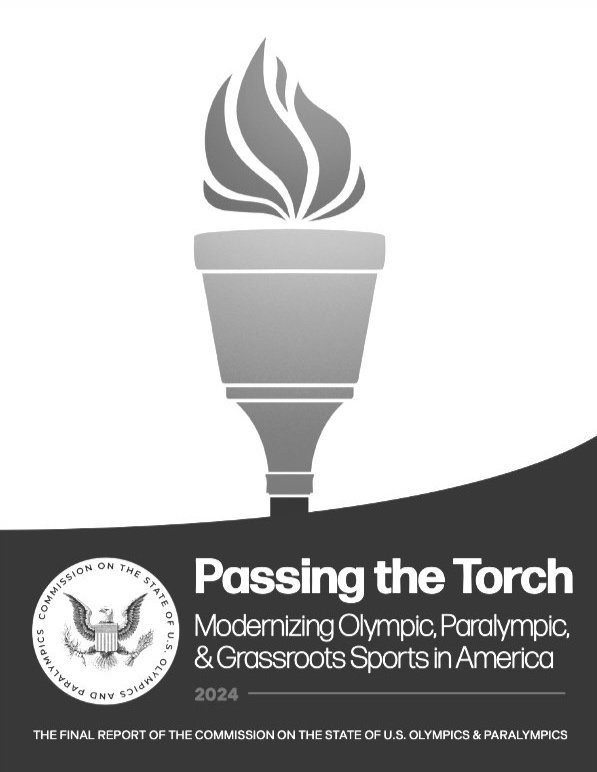
The U.S. Congress created in 2020 a bipartisan commission on the state of U.S. Olympics and Paralympics (CSUSOP). The goal: reimagine the governance system for the kaleidoscopic (and scandal-plagued) array of organizations within the Olympic movement.

Assessing the local issues shaping the race

Or at least the current horse race polls
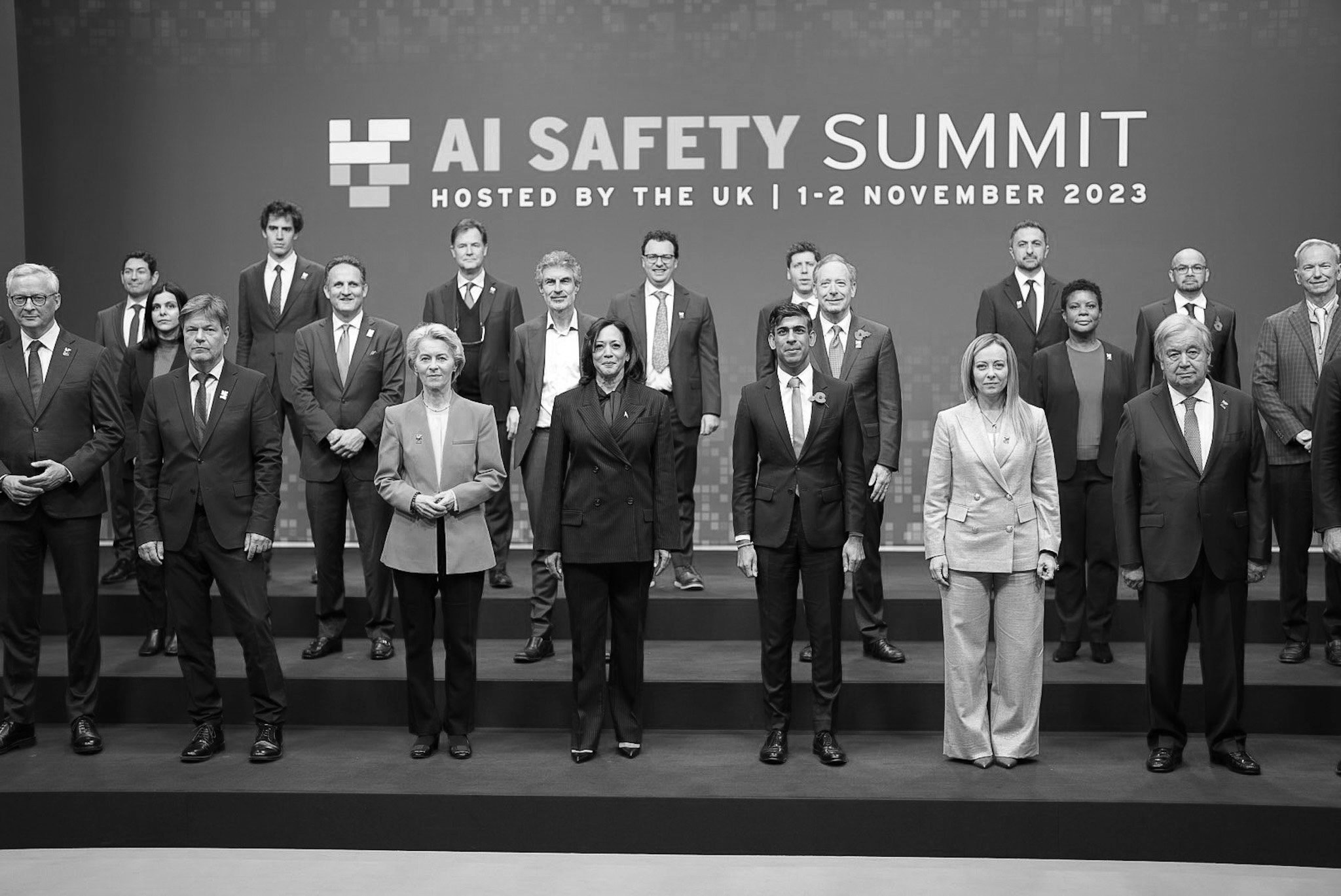
Some may still argue that such lofty concepts are inconsistent with the fast pace of AI development and a highly competitive market environment. That it’s too much to ask of highly competitive companies in a fight for talent and market share; their leaders do not have time for abstraction and existential thinking.
In response, I would suggest the incongruous Jesuit watchword of “contemplative action” as a guiding principle. Discerning leaders engage their intellects as they go about doing their work, even when crises press upon them. It’s a high bar to set—Kennedy level leadership—but the challenge of artificial intelligence demands it.

Anxiety-inducing horse-race presidential polls are everywhere. So, take a deep breath and remember: polls are a snapshot, not predictive. Gallup, the gold standard in opinion research, had Carter beating Reagan by eight points just weeks before the 1980 election; Dukakis beating Bush by 18 points in the summer of 1988; and Romney beating Obama in their final poll of November 2012.

We're fascinated by a paper published last fall that studies the decline in support for democracy in the United States between 1995 to 2019. The results show a clear pattern of generational decline, with each successive birth cohort since the 1940s being less supportive of democracy than the previous one.

Razor-sharp reporter Gil Duran has a must-read article on the "bumbling and villainous" effort to build a new city in rural California. The effort would be laughable—and not just for its name, California Forever, which Duran likens to a celebrity cemetery—if it weren't a possible beachhead for a libertarian movement to create "network states" outside the reach of democratic nation-states.

While discernment originates from a spiritual context, it applies to other areas, especially politics. And that’s why assessing a political leader’s ability to discern—how good is her eye?—can help us better understand the thought process that sets apart our most skilled politicians.
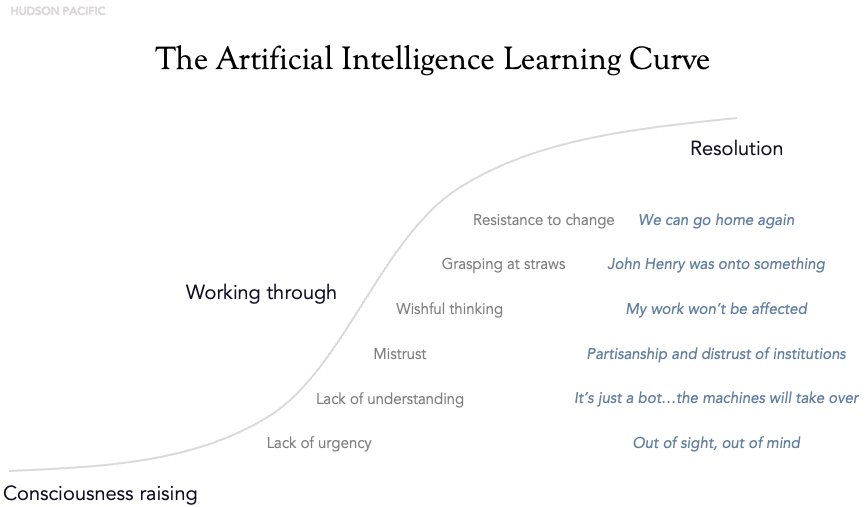
Americans' darkening view of AI is important because public opinion will affect how policymakers shape the regulatory landscape.
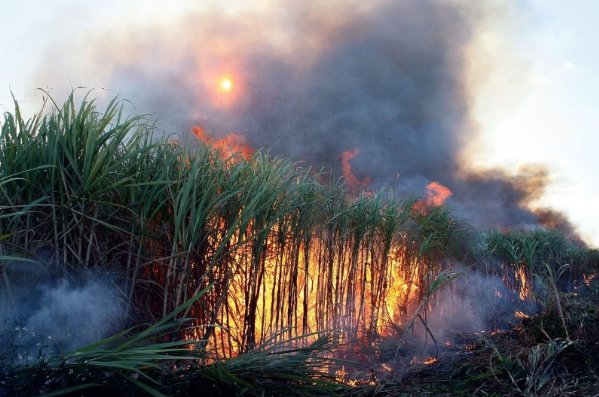
The No Big Sugar campaign is putting a spotlight on the misdeeds of this industry, which is as politically shrewd as it is arcane. These misdeeds offend stakeholders from the free-market right to the social justice left, plus a range of American industries in between—and that's the main source of the coalition's strength.


A new article from the Harvard Business Review emphasizes the central role that vision and storytelling play in asserting leadership in the face of uncertainty.

Underestimating President Biden is one of the most important features of American politics today. You cannot understand his presidency or the 2024 campaign without accounting for it.
The Latest >>
FEATURED INSIGHTS
It’s not often you get to look with fresh eyes on words that shape our politics and humanity. That was our experience in reading the late Pope Francis’s reflections on “crisis” and “conflict.” We use these words interchangeably, but Francis draws a sharp distinction. In his view—a view that knocked us back—crisis is a necessary thing, vital to individuals, institutions and societies. Conflict, on the other hand, fractures reality. It closes us off, forces us to pick sides, to seek blame.
It’s not often you get to look with fresh eyes on words that shape our politics and humanity. That was our experience in reading the late Pope Francis’s reflections on “crisis” and “conflict.” We use these words interchangeably, but Francis draws a sharp distinction. In his view—a view that knocked us back—crisis is a necessary thing, vital to individuals, institutions and societies. Conflict, on the other hand, fractures reality. It closes us off, forces us to pick sides, to seek blame.
Our analysis revealed that:
Inflation and housing costs—the most critical concerns across all voters—reinforced Trump's message of restoring economic security.
Crime and immigration played into Trump's emphasis on personal safety and border control.
Reproductive rights remained secondary to economic stability for most voters.
Some may still argue that such lofty concepts are inconsistent with the fast pace of AI development and a highly competitive market environment. That it’s too much to ask of highly competitive companies in a fight for talent and market share; their leaders do not have time for abstraction and existential thinking.
In response, I would suggest the incongruous Jesuit watchword of “contemplative action” as a guiding principle. Discerning leaders engage their intellects as they go about doing their work, even when crises press upon them. It’s a high bar to set—Kennedy level leadership—but the challenge of artificial intelligence demands it.
While discernment originates from a spiritual context, it applies to other areas, especially politics. And that’s why assessing a political leader’s ability to discern—how good is her eye?—can help us better understand the thought process that sets apart our most skilled politicians.
Underestimating President Biden is one of the most important features of American politics today. You cannot understand his presidency or the 2024 campaign without accounting for it.

The vast gap between the two positions points to a Republican position on abortion that is not just out of step with public opinion, it’s diametrically opposed to it.
Opinion Research
Assessing the local issues shaping the race
Americans' darkening view of AI is important because public opinion will affect how policymakers shape the regulatory landscape.

A new Pew Research Center study shows a strikingly fast-paced evolution in how public opinion research is conducted.

If Americans are going to make a dent in reducing carbon emissions — and polling suggests they want to — they are going to have to grapple with the tradeoffs required. An effort in West Texas offers a roadmap for helping people work through the issues.
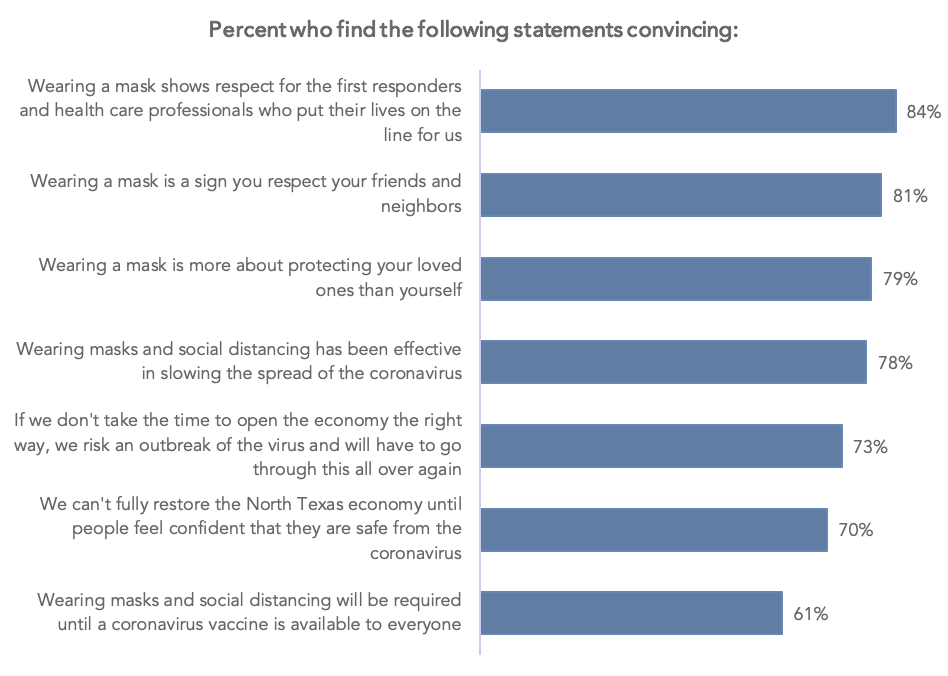
A study of residents in the Dallas-Fort Worth area reveals a fault line in public opinion on COVID-19 between people who are more concerned about the economic impact of the pandemic and people who are more concerned about health outcomes. This is among the key findings from our work on behalf of Texas 2036, a group focused on the future of the state's economy.

You can't make smart decisions on messaging or campaign strategy if the data you're basing those decisions on isn't accurate.
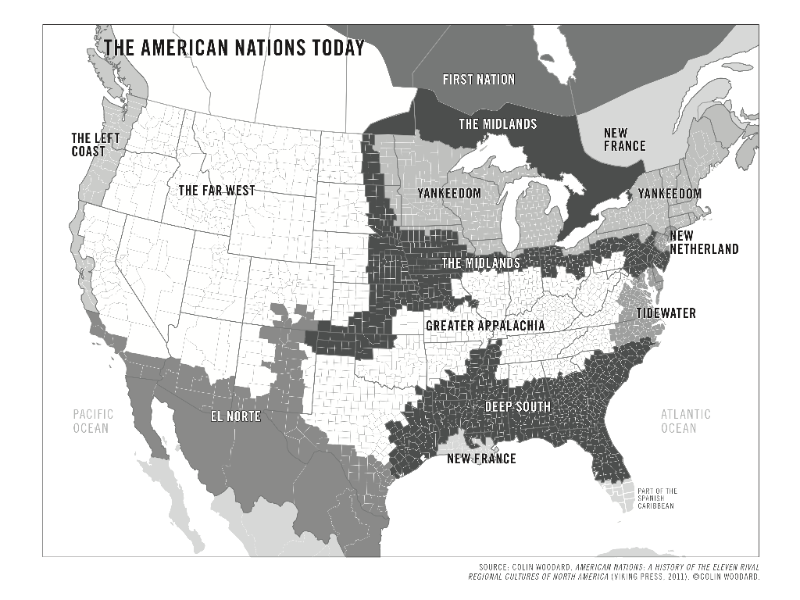
If you're looking for a way to gain an understanding of what's going on in society, politics and culture at a more foundational level (and who isn't these days?), we highly recommend American Nations: A History of the of the Eleven Rival Regional Cultures of North America by Colin Woodward (2011).

Figure out what you need to accomplish, who you need to deal with, what questions you need to address. The answers will flow from there, and you’ll find the research tools which suit your needs.

We offer this analogy in closing: think of public affairs work as a political campaign on behalf of a company or organization. The most effective public affairs professionals bring the urgency, rigor and focus of a campaign to your company’s issue. They convert data about the public into a coherent strategy and encourage the message discipline needed to achieve business goals. And they always put the client’s needs first.
Campaign Strategy
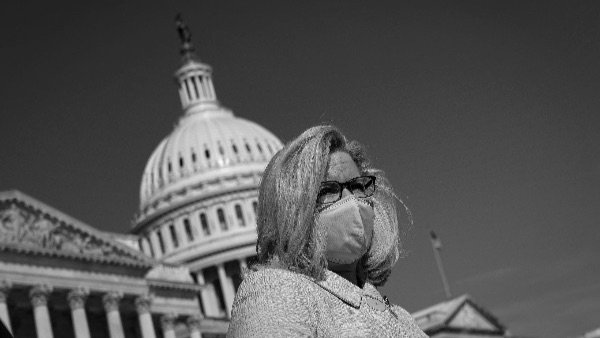
Consider as a counterpoint Liz Cheney, ousted by her peers from a Republican leadership role in the House of Representatives. We will be watching her re-election with a keen eye, hoping Wyoming voters reward her tough call and leadership.

How does the Electoral College affect where presidential candidates spend their time? This graphic from National Popular Vote Inc. distorts the size of the states based on the number of general election events they host

Can a call to public service once again make for good politics? Not since President Kennedy in 1960 has a national candidate put service and civic responsibility at the strategic core of a campaign. Savvy candidates in both parties should consider doing so in 2018 and 2020.
We offer this analogy in closing: think of public affairs work as a political campaign on behalf of a company or organization. The most effective public affairs professionals bring the urgency, rigor and focus of a campaign to your company’s issue. They convert data about the public into a coherent strategy and encourage the message discipline needed to achieve business goals. And they always put the client’s needs first.
COMMUNICATIONS
It’s notable that a majority of Americans now oppose Donald Trump’s tariffs. These weren’t advertised as taxes, but Americans quickly came to learn they function as such, thanks to economists, news outlets such, Democratic messaging and the bond market’s Newtonian reaction to Liberation Day. The takeaway was clear: Americans may not follow trade policy, but they understand a tax.
It’s not often you get to look with fresh eyes on words that shape our politics and humanity. That was our experience in reading the late Pope Francis’s reflections on “crisis” and “conflict.” We use these words interchangeably, but Francis draws a sharp distinction. In his view—a view that knocked us back—crisis is a necessary thing, vital to individuals, institutions and societies. Conflict, on the other hand, fractures reality. It closes us off, forces us to pick sides, to seek blame.
Some may still argue that such lofty concepts are inconsistent with the fast pace of AI development and a highly competitive market environment. That it’s too much to ask of highly competitive companies in a fight for talent and market share; their leaders do not have time for abstraction and existential thinking.
In response, I would suggest the incongruous Jesuit watchword of “contemplative action” as a guiding principle. Discerning leaders engage their intellects as they go about doing their work, even when crises press upon them. It’s a high bar to set—Kennedy level leadership—but the challenge of artificial intelligence demands it.
While discernment originates from a spiritual context, it applies to other areas, especially politics. And that’s why assessing a political leader’s ability to discern—how good is her eye?—can help us better understand the thought process that sets apart our most skilled politicians.
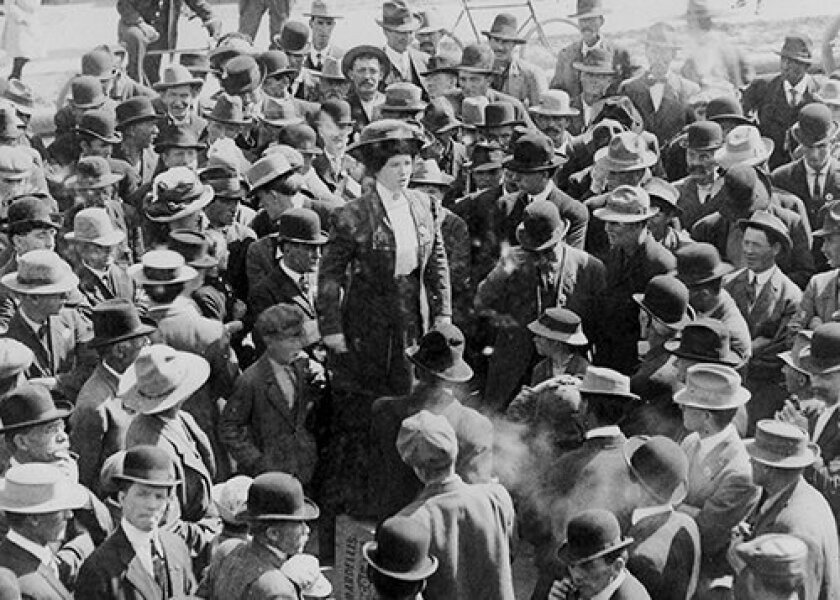

One insidious aspect of misinformation is that it makes it harder for society to deal with already-tough problems.

We are fast approaching a full year of living with a global pandemic. A year full of disruption and tragedy — but also change. Our lives have changed in profound ways, and so has our politics and the ways we communicate. This is our effort at taking stock of this change. It’s our effort at making sense of 2020 and extracting lessons as we turn the page to a new chapter of the American experience.

America is a collection of 11 separate "nations," each with its own origin story, values and culture. The main divide between these nations is whether they place more value in the common good or individual freedom.
Sign up for our newsletter.
Our thinking on data, public opinion and politics, in your inbox about once a quarter.
We’ve compiled a checklist of questions for engaging the public in our present, chaotic era.